
The House Edge: Understanding Your Odds
Many casino enthusiasts are often unaware of the concept of the house edge, which refers to the mathematical advantage that a casino has over players. Each game offers a different house edge, reflecting the probability of winning for the player compared to the establishment. For instance, games like blackjack and poker can have lower house edges, giving skilled players a better chance of winning. In contrast, machines such as online casino australia typically have much higher house edges, meaning players are statistically more likely to lose over time.
It’s essential to understand that this advantage doesn’t guarantee immediate wins or losses. The house edge works over a long period and many rounds of play. This means you might hit a streak of wins, but eventually, the odds will catch up to you as the house edge permeates your gameplay. Many novice players will also fall into the illusion of ”compounding wins,” believing that a series of victories will shift the odds in their favor, but this is a perilous mindset that the casino hopes you’ll adopt.
Moreover, casinos strategically place games with higher house edges in areas with the most foot traffic, increasing the likelihood of players opting for these games unknowingly. By doing so, casinos capitalize on the human tendency to pursue quick rewards. Hence, understanding the house edge can empower players to make more informed decisions and choose games that maximize their potential for a successful experience.
The Psychology of Gambling: How Casinos Manipulate Emotions
Casinos are designed to captivate the senses and influence emotions. The vibrant lights, enticing sounds, and alluring aromas are all carefully curated to create an atmosphere where players feel excited and eager to bet. This psychological manipulation can lead players to lose track of time and money, ensuring that they stay longer and wager more. For instance, the absence of windows and clocks in many casinos serves to disorient players, making them unaware of how much time has passed.
Furthermore, the concept of ”loss aversion” plays a significant role in gambling behavior. Players are often more motivated to chase their losses than they are to secure their wins. This inherent psychological trait can lead to risky behavior as individuals continue to gamble in hopes of recovering lost funds. Casinos are well aware of this tendency and will design promotions and bonuses that feed into these emotional decisions, encouraging players to continue betting even when their chances of winning are slim.
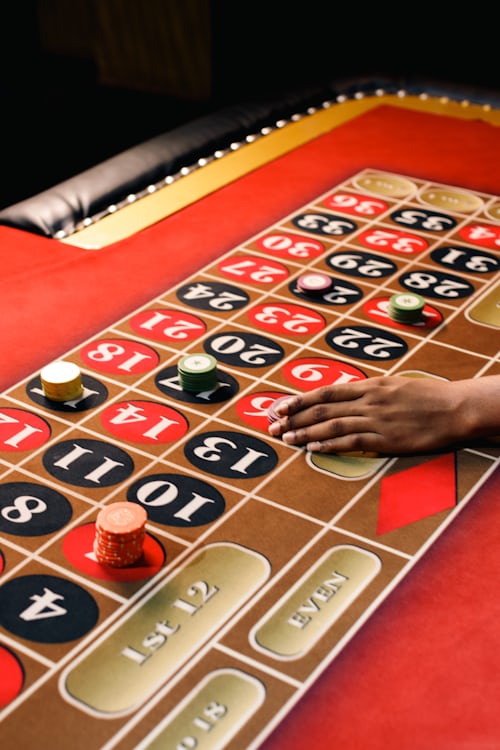
The use of various loyalty programs can also reinforce this emotional connection. Players receive rewards and incentives for frequenting the casino, which cultivates a sense of belonging and attachment. This can lead to a cycle where players feel pressured to return, often resulting in higher spending. The casino’s understanding of these psychological principles allows them to create an environment that ensures consistent revenue while players remain oblivious to the emotional manipulation at play.
The Role of Comps and Promotions: A Double-Edged Sword
Casinos often entice players with complimentary services, known as comps, as well as promotions that appear beneficial on the surface. These can include free meals, room stays, or even show tickets. While these incentives can enhance a player’s gambling experience, they can also be a trap. Players may feel obliged to gamble more to qualify for these perks, which can lead to overspending. For example, a complimentary stay may encourage a player to wager significantly more than they initially intended, thereby increasing the casino’s bottom line.
Promotions are similarly engineered to draw players in but often come with complex terms and conditions that obscure the true value of the offer. Many players are lured by headlines like ”double your money” without realizing the stringent requirements necessary to access these rewards. This confusion can lead to frustration, disappointment, and ultimately more time spent—and money lost—in the hopes of meeting those requirements.
Moreover, casinos might employ tiered loyalty programs, where players who gamble more frequently receive better rewards. This system can perpetuate a cycle where players strive to reach higher tiers, thus spending more time and money in the pursuit of these seemingly lucrative rewards. The reality is that while comps and promotions can enhance a player’s visit, they often mask the casino’s real intent: to keep players gambling longer and increasing the overall house edge.
Game Design: How Slots and Table Games Are Engineered
The design of casino games, especially slots, is a carefully calculated endeavor infused with psychological insights. Game developers employ various techniques to ensure that players remain engaged and entertained, often resulting in prolonged gameplay. For instance, the incorporation of bright colors, engaging themes, and sound effects designed to reward players create an addictive experience. Players may find themselves enthralled by a mix of nostalgia and aspiration, believing they are just one spin away from a jackpot.

In table games, the mechanics are designed to encourage social interaction while still ensuring the house edge remains intact. Casinos understand that when players engage with one another, they are more likely to stay at the table longer. Game dynamics are often tailored to promote betting behaviors that can lead to emotional highs and lows, encouraging players to keep wagering even after experiencing losses. This emotional rollercoaster can make players blind to the reality of their gaming experience.
Additionally, the introduction of random bonuses and multipliers can further entice players, although these are rarely beneficial in the long run. Many slots feature “near misses,” where the player seemingly comes close to winning but falls just short. This psychological tactic plays on the player’s hope and excitement, making them more likely to continue playing in pursuit of that elusive win. Understanding these design strategies can help players approach their gaming experience with a more critical mindset and help them establish better limits.
Your Online Gaming Experience: The Importance of Informed Choices
As the online gambling industry continues to expand, players must be aware of the differences between the physical casino experience and digital platforms. While online casinos may seem more convenient, they often house the same underlying principles that physical establishments employ. Players must be diligent about reading the fine print of promotions and understanding the terms of service before playing their favorite games. This knowledge can help mitigate risk and set clear expectations for their gaming experience.
Furthermore, with the advent of online casinos, players can now easily access a plethora of games, which can lead to a more impulsive gaming behavior. The ease of access combined with targeted advertisements makes it essential for players to practice self-discipline and set strict limits on their gambling activities. Online platforms are designed to keep you engaged, often using notifications and promotions to lure players back in, reminiscent of the psychological tactics of physical casinos.
Moreover, choosing reputable online casinos can significantly affect your gaming experience. It’s crucial to seek platforms that are transparent about their practices and offer fair gaming options. Understanding how to identify reputable sites can empower players, allowing them to make informed choices that lead to a more enjoyable and potentially profitable gambling experience. Recognizing the importance of research and self-awareness will ultimately enhance players’ enjoyment of online gaming.